
Hopping Through the Seasons with Minnesota’s Frogs and Toads
Written by: Dawson Cabe, Park Ranger - Interpretation & Education
Each season brings a new set of joys and challenges to Minnesota. From the sun and mosquitoes of summer to the gently falling snow and icy roads of winter, we live here because we love our four seasons, but sometimes it’s a wonder that any of us leave our homes at all!
We could do just that: stay curled up in blankets and enjoy warm cocoa on the couch in the winter and chill in the shady, often climate-controlled confines of your home during the hot summer months. Would you? Sure, you would be comfy and cozy, but you would also miss out on the wonders that each season offers. Imagine never swimming after a hot day outside, never hiking an amazing trail, or never making a snowman in fresh snow.
What I remember from Minnesota’s crazy seasons isn’t the weather but the amazing memories that each season provides. We wear winter coats, sunscreen, gloves, rain jackets, and mud boots to make the most of our time outdoors. Without these little changes, many of the activities we enjoy would be impossible!
Let's take a look at some of the ways frogs and toads survive in tough seasonal conditions, after all they don’t have the luxury of hot cocoa or rain jackets like us! Frogs and toads rely on other unique methods, adaptations honed over generations, to survive Minnesota's variable seasons and the challenges within.
Spring
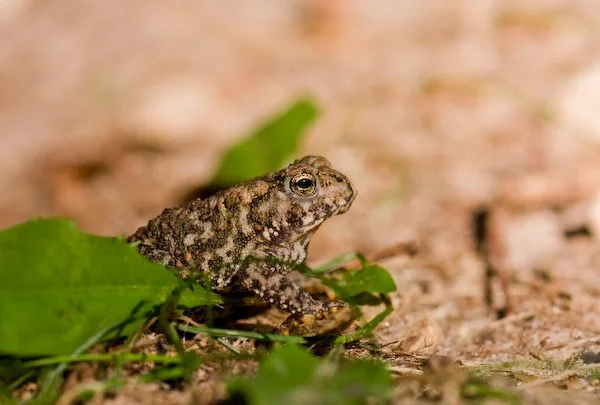
Eastern American Toad (NPS)
All along the life-giving Mississippi River, spring rejuvenates what was dormant over winter. Birds arrive back to their breeding nests, flowers begin blooming again, and predators return to their hunting grounds. Even in the bustling Twin Cities, predators begin searching for unsuspecting prey to satiate their winter hunger. Normally, a toad would make an easy target for coyotes, snakes, and even raccoons but the Eastern American Toad has a secret, warty weapon.
This common forest toad has evolved to taste bitter to its potential predators. The warts on its back secrete a mild, bitter-tasting toxin, encouraging predators to find more palatable food sources. Raccoons, foxes, coyotes, and snakes know not to mess with our small friend. After all, who wants to eat a mouthful of their least favorite snack when you have so many other options around you? Without this defense mechanism, the American Toad would be an easy snack for these predators! As it is, despite being a slow-moving animal, the Eastern American Toad has very few predators and can enjoy its stroll through the forest worry-free.
Summer
Summer offers us great weather to finally do the activities we have been wanting to do all year. We make the most of this time by swimming, boating, fishing, and hiking along the Mississippi River. The only problem is that bugs have been waiting for us too. Luckily for us, frogs and toads have evolved their pest management methods into four easy steps to help us enjoy our time outdoors:
Step one: wait for food to get close.
Step two: wait some more.
Step three: catch food with your long, extendable tongue.
Step four: repeat steps one through three!
Each individual frog and toad can eat up to 100 critters a day, and with thousands of them in the Mississippi National River and Recreation Area, we can certainly feel their impact. Imagine getting through the summer without all those frogs and toads doing their thing!
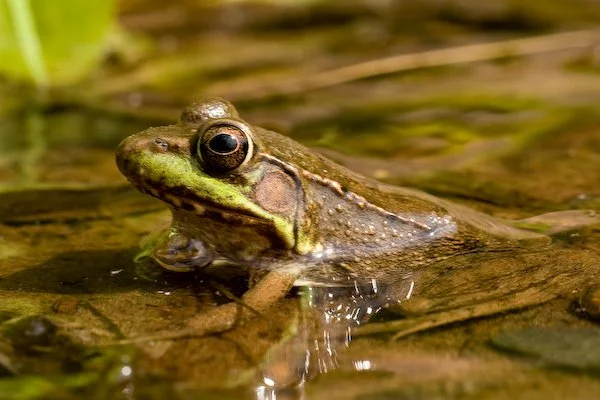
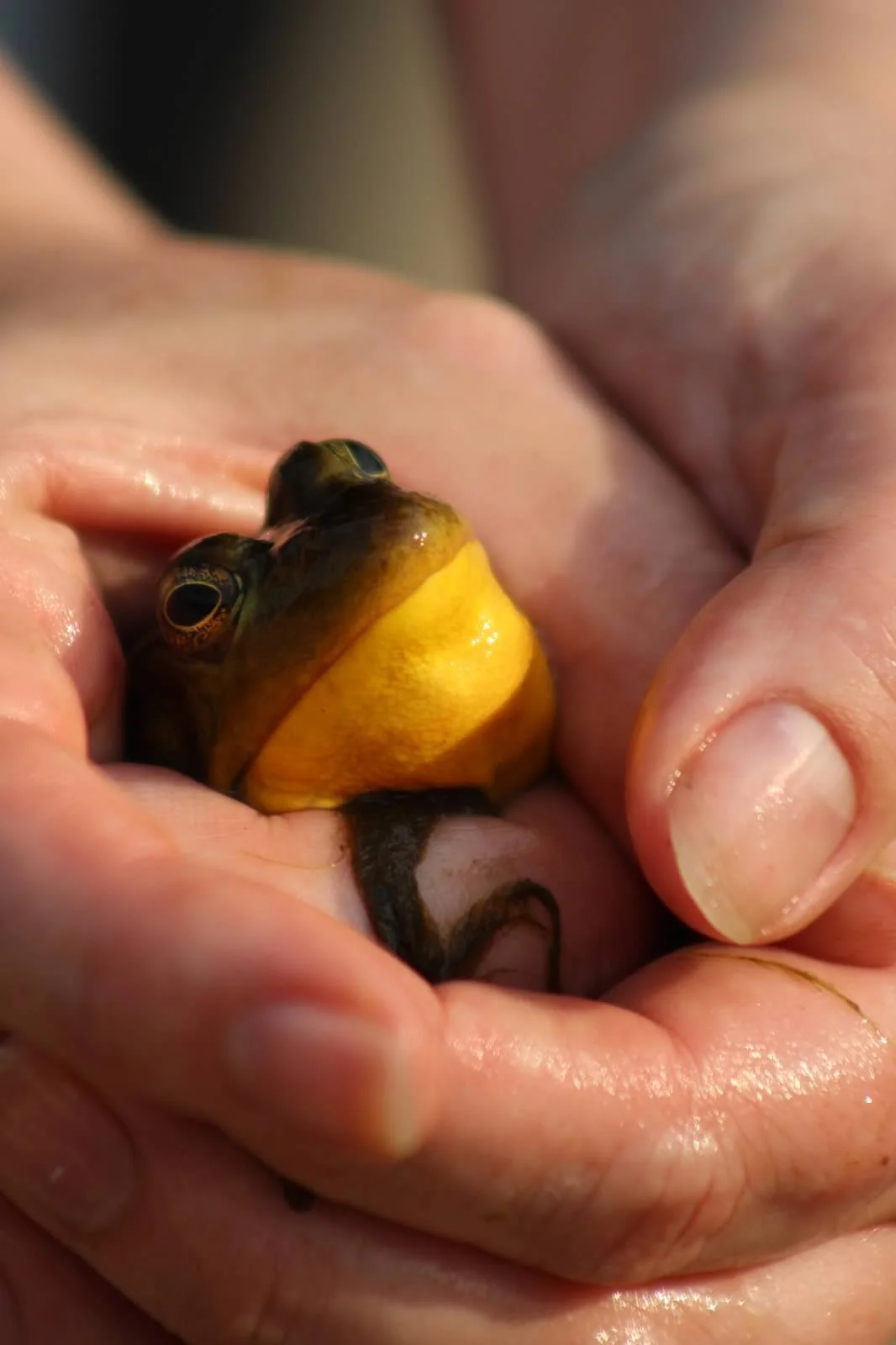
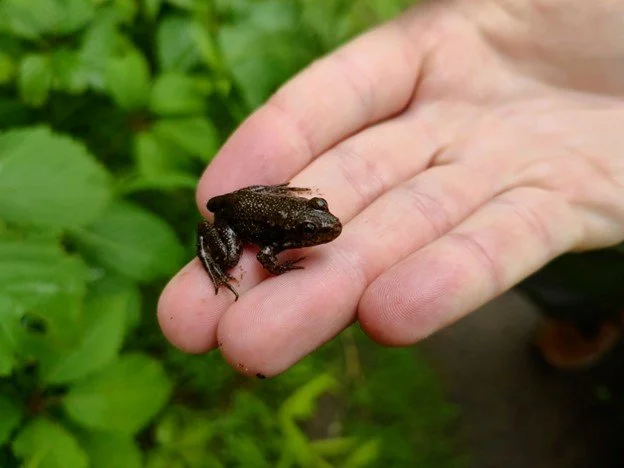
The Green Frog is an expert at catching its prey, making sure to gobble down anything small enough to fit in its mouth. Instead of chasing down their prey like other predators, they prefer the “couch approach.” Some would say that they are lazy, but I prefer “opportunistic.” The couch approach involves sitting still for long periods of time waiting for small animals and insects to wander nearby. Since one of Green Frogs’ favorite foods is bugs, they play a very important role in our ecosystem. Each bug they eat helps keep pest populations in control and even helps slow the spread of disease. They are effective hunters primarily due to their bulging eyes, which allow them to see in nearly every direction. So next time you see a Green Frog, say thank you. Don’t expect a response anytime soon though; hunting for food is hard work.
Juvenile Green Frog (Dawson Cabe/NPS)
Green Frog (NPS)
Fall
Fall is a time for change. School starts up as kids and adults alike adjust to a new schedule and shorter days. Change can be good, and in the case of the Gray Treefrog, essential.
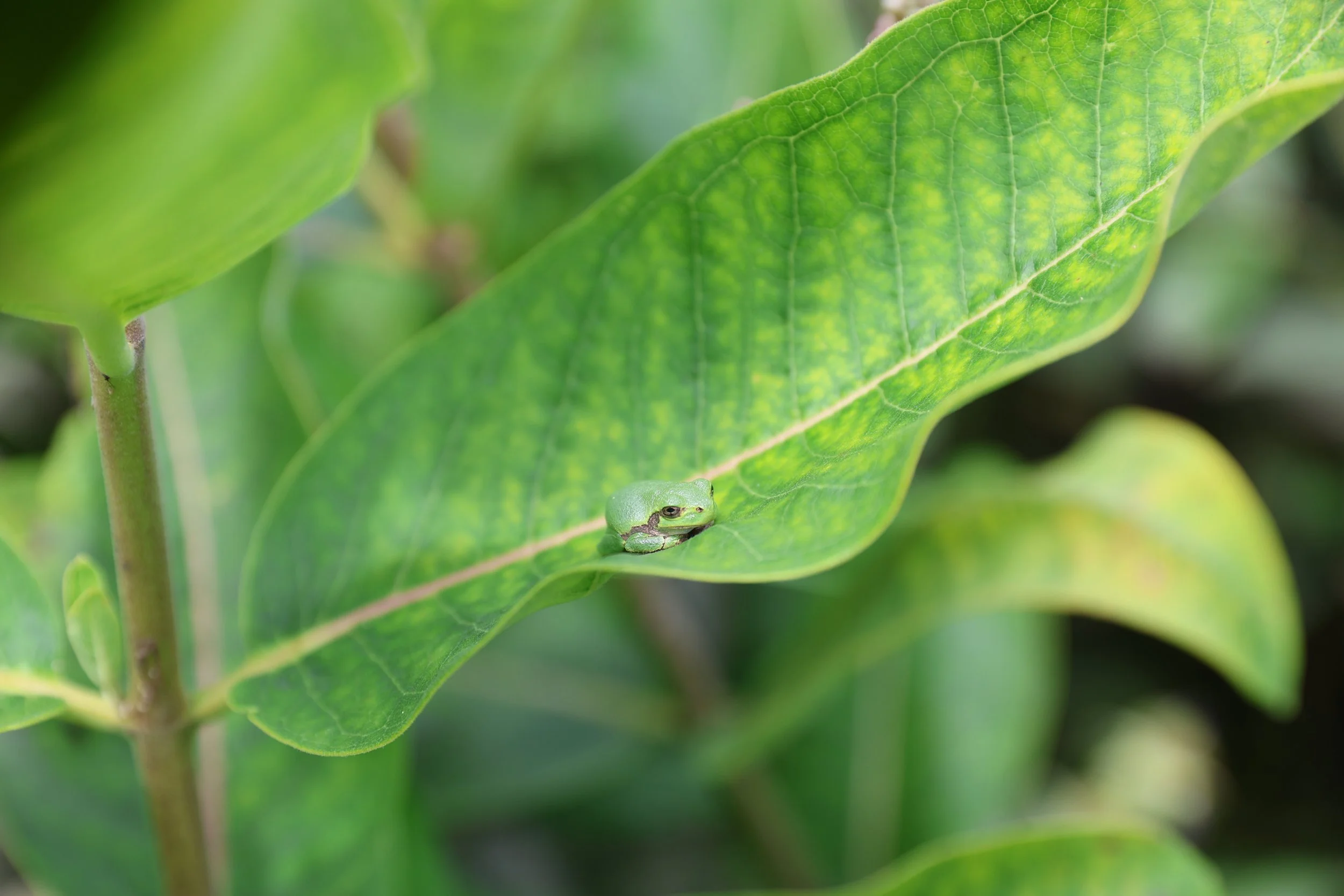
Gray Treefrog (Dawson Cabe/NPS)
The Gray Treefrog has a remarkable ability to change its color, much like a chameleon. It can be green, creamy white, gray, or even a mix of grayish green depending on its surroundings. By changing its color frequently, the Gray Treefrog can avoid being spotted among the changing leaves surrounding the riverbank.
From bitter-favored warts to waiting patiently for prey to camouflaging coloring, adaptations like these have allowed the frogs and toads of Minnesota to call this ever-changing environment home. But what happens to them when our toughest season arrives? Winter is coming and there isn’t much time to prepare!
Winter
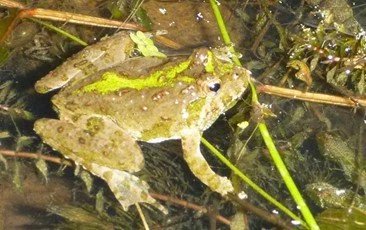
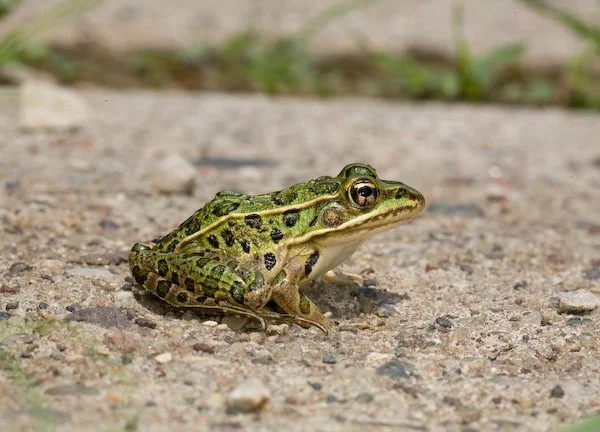
Northern Leopard Frog (NPS)
Many frogs and toads choose to seek out lakes and rivers during the winter season. For example, the Northern Leopard Frog will swim to the muddy bottom of a lake or river and bury themselves deep enough to avoid freezing. From there the frog will wait winter out with these makeshift mud blankets, not emerging unless their slumber is disturbed.
Other amphibians, like the Eastern American Toad, choose to dig deep into the ground just below the freezing level (around 6 inches). Here they are safe from the cold weather up above, only digging deeper if there is an especially hard winter.
Some frog species prefer to experience the cold on the surface.
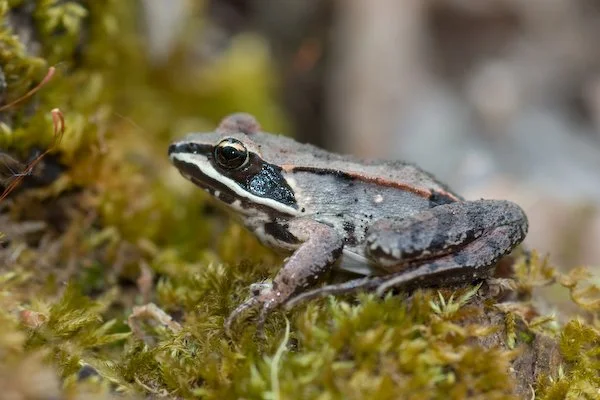
Wood Frog (NPS)
The Wood Frog, for example, does very little to protect itself from the elements. Instead, it chooses to slip under the leaf litter on the forest floor from the preceding fall. As the cold sets in, its breath will gradually slow until it halts completely. Inside the frog, we find that its blood freezes solid while also encasing its heart in ice crystals. But the Wood Frog is not dead; a special antifreeze it produces prevents its cells from dying. This antifreeze is so effective that even its fertilized eggs will survive the harsh winter.
Many months pass and the warmer temperatures of spring slowly thaw the ground. The Wood Frog emerges once again from its long slumber as its body thaws with the temperature increases. By freezing its body on land, the Wood Frog can emerge much quicker and is often one of the first frogs you see in spring. What would be fatal to most other species has become an evolutionary advantage for this species. The Wood Frog is so well-adapted to cold climates that they are the only frogs found north of the arctic circle.
Minnesota’s changing seasons shape not only our memories but the creatures that share this environment with us. Frogs and toads show us how adaptable and resilient life can be in the face of extreme circumstances. From bitter skin to icy hearts these amphibians are perfect examples of how life can adapt and thrive in a changing world. As we continue to enjoy each season, it’s worth remembering the quiet, unseen ways animals endure the same elements. These animals aren’t just surviving Minnesota’s climate; they’re thriving in it. With each croak, hop, and silent winter nap, they remind us of the wild beauty woven into our Mississippi River.
-
Many amphibians need both land and water to survive. Because of this they are extremely sensitive to environmental changes around them. That makes them great indicators to understanding climate and habitat change. If amphibians are thriving in an area, it’s likely that the water and land are also healthy around them!
The Mississippi National River and Recreation Area is the only National Park home to the endangered Blanchard’s Cricket Frog. Recently, frog loggers (devices that record a frog’s unique voice) throughout the park have identified many new sites that these frogs call home.
-
What happens when two frogs look so identical that even herpetologists (experts who study reptiles and amphibians) can’t tell them apart? Cope’s Gray Treefrog and the Gray Treefrog present that very challenge.
Identical in every physical way, it’s almost impossible to know what frog you are looking at! However, a good scientist uses many ways to identify amphibians. By listening to their unique croaks and calls we can tell these frogs apart from one another! Although these species are very closely related to each other, they contain very different chromosomes and habits that all play a unique role in our ecosystem.
-
American Bullfrog (Lithobates catesbeianus)
Blanchard’s Cricket Frog (Acris blanchardi)
Boreal Chorus Frog (Pseudacris maculata)
Cope’s Gray Treefrog (Hyla chrysoscelis)
Eastern American Toad (Anaxyrus americanus americanus)
Gray Treefrog (Hyla versicolor)
Green Frog (Lithobates clamitans)
Northern Leopard Frog (Lithobates pipiens)
Wood Frog (Lithobates sylvaticus)